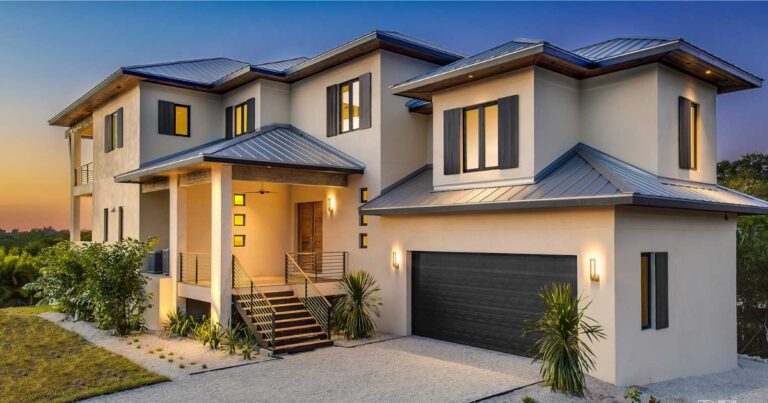
Is Your Home Ready for Hurricane Season? A Window and Door Checklist for Treasure Coast Homeowners
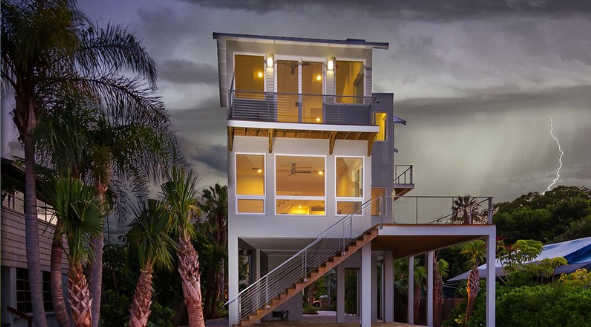
Why Pre-Season Prep Matters on the Treasure Coast
June 1 arrives fast, and the Atlantic hurricane season does not wait for anyone in Stuart, Port St. Lucie, Jensen Beach, or Jupiter. While most homeowners think about stocking water and batteries, the openings in your home — windows, sliding glass doors, and garage entries — are the first line of defense against wind, rain, and flying debris. A failed window or door is not just a repair bill; it is a path for catastrophic pressure changes that can lift a roof.
The good news is that a thorough inspection takes only a few hours and can reveal small problems before they become storm-season emergencies. The team at The Glass Professionals, Inc. has been helping Treasure Coast families protect their homes since 1989. The checklist below covers impact glass, sliding doors, and garage entries — the three areas we see the most issues with every spring.
Part 1: Impact Window Inspection Checklist
If your home already has impact-resistant windows, congratulations — you have made a smart long-term investment. But impact glass still needs annual attention. Here is what to look for before hurricane season begins.
Glass and Frame Condition
- Check for chips, cracks, or starred impact points in the laminated glass. Even small chips can compromise the structural integrity of the pane under hurricane-force pressure.
- Inspect the frame corners for separation, warping, or corrosion. Aluminum frames on older units sometimes develop hairline cracks at the corners that allow water infiltration.
- Look at the glazing compound or silicone bead that seals glass to the frame. Shrinkage, gaps, or discoloration indicate it may need re-glazing.
Hardware and Operation
- Open and close every operable sash. Locks should engage fully without forcing. A sash that does not lock correctly will not meet the wind-load rating it was tested to.
- Test tilt latches on double-hung units for proper spring tension. Weak latches can allow a sash to pop open under negative pressure.
- Clean and lubricate balance systems so sashes move smoothly. Sticky operation is often the first sign of hardware wear.
Weep Holes and Water Management
- Locate the small weep holes along the bottom of the window frame exterior and clear any debris, paint, or dirt blocking them. Clogged weep holes trap water inside the frame and can lead to mold or frame rot even on impact units.
Part 2: Sliding Glass Door Inspection Checklist
Sliding glass doors — especially those facing east or southeast — take some of the hardest wind and rain loads during a Treasure Coast storm. A poorly maintained slider can fail even if it carries an impact rating. Review each door with these steps.
Glass Panel Integrity
- Examine both the fixed panel and the sliding panel for edge chips or surface cracks. Pay special attention to the bottom corners, where impact laminates are most vulnerable to foot-traffic damage.
- Verify the door label or etching shows an approved Florida Product Approval number. If you cannot find one, call us to verify whether your door meets current code.
Rollers, Track, and Frame
- Slide the door across the full track. It should glide without catching, grinding, or lifting. Worn rollers cause the panel to drop, creating a gap at the top seal that leaks wind-driven rain.
- Inspect the track for bent sections, packed dirt, or standing water after rain. Clean the track with a stiff brush and mild detergent, then dry it completely.
- Check the frame-to-wall joint (the perimeter caulk line) from the exterior. Cracked or missing caulk is a common source of water intrusion during tropical storms.
Locks and Anti-Lift Devices
- Engage the primary lock and attempt to lift the panel. There should be no upward movement. If the door lifts even slightly, the anti-lift block or security bar needs adjustment or replacement.
- Test any secondary security bar or pin lock in addition to the main latch — layered locking adds real wind resistance.
If your sliding doors are original to a home built before 2002, they likely do not meet current Florida Building Code wind-load requirements. Replacing them with impact-rated sliding doors before hurricane season is one of the highest-value upgrades a Treasure Coast homeowner can make.
Part 3: Garage Door Inspection Checklist
The garage door is often the largest — and weakest — opening in a home. When a garage door fails in a hurricane, the sudden pressure change dramatically increases the risk of roof loss. Check yours every spring.
Wind-Load Rating Verification
- Locate the sticker inside the door or on the tracks that lists the wind-load rating. Florida homes built after 2002 require doors rated for local design wind speeds. Martin County and St. Lucie County both sit in high-wind zones.
- If your door was installed before 2002 and has not been replaced or reinforced, consult a licensed contractor about a wind-load retrofit kit or replacement.
Physical Condition
- Look for dents, panel cracks, or bent sections that could cause the door to rack (twist) under lateral wind load.
- Test the bottom seal by closing the door in daylight and checking for light gaps along the floor. A deteriorated seal lets wind-driven water sheet under the door.
- Inspect torsion springs and cables for rust, fraying, or uneven tension. These are under extreme load and should only be serviced by a professional, but you can identify visible deterioration safely.
Opener and Manual Operation
- Disconnect the opener and lift the door manually. It should balance at about waist height with minimal drift. An unbalanced door puts dangerous stress on the opener and springs during a power outage.
- Confirm your manual release handle is accessible and that household members know how to use it.
Quick Reference: Pre-Season Inspection Summary
| Area | Check | Action If Problem Found |
|---|---|---|
| Impact Windows | Chips, cracks, frame separation, clogged weep holes | Re-glaze, repair frame, or schedule replacement |
| Window Hardware | Lock engagement, sash operation, balance tension | Lubricate, adjust, or replace hardware |
| Sliding Doors | Glass integrity, roller condition, track cleanliness | Clean track, replace rollers, re-caulk perimeter |
| Slider Locks | Primary latch, anti-lift device, secondary bar | Adjust or replace locking hardware |
| Garage Door | Wind-load rating, panel condition, bottom seal | Retrofit or replace; seal replacement |
| Garage Hardware | Spring condition, manual release, door balance | Professional service before season |
When Inspection Reveals It Is Time to Upgrade
Sometimes a checklist uncovers problems that go beyond simple maintenance. Cracked impact glass, outdated sliders, or an unrated garage door are not issues to defer until after a named storm is on the radar. Lead times for quality impact products increase sharply once a storm enters the Gulf or Atlantic, and installation crews are booked weeks out.
As a PGT Diamond Dealer in Martin County, The Glass Professionals, Inc. offers PGT WinGuard impact windows and doors backed by the Crystal Care Elite Lifetime Warranty — one of the strongest coverage programs available to Treasure Coast homeowners. Current PGT promotions may also apply to qualifying purchases, so asking early in the season gives you the best chance to take advantage of any available savings.
Schedule Your Free Pre-Season Estimate Today
Serving Stuart, Palm City, Port St. Lucie, Jensen Beach, Hobe Sound, Jupiter, Fort Pierce, and the entire Treasure Coast, The Glass Professionals, Inc. provides honest, no-pressure estimates with no obligation. Our family-owned team has protected local homes since 1989, and we are ready to help you head into hurricane season with confidence.
Call us at (772) 286-0459 or request your free estimate online. Do not wait until a storm watch is posted — the best time to secure your home is right now.